Maintaining a straight smile is a lifelong commitment that often continues long after your initial orthodontic treatment is finished. For many, a simple retainer is the go-to tool for keeping teeth in place. However, there are specific situations where a passive device cannot do the job required to keep your smile healthy and aligned. If you’ve noticed your teeth starting to wander or your bite feeling slightly “off,” it might be time to consider whether Invisalign in Great Neck is a better option than a standard retainer.
What Is The Difference Between A Retainer And Invisalign?
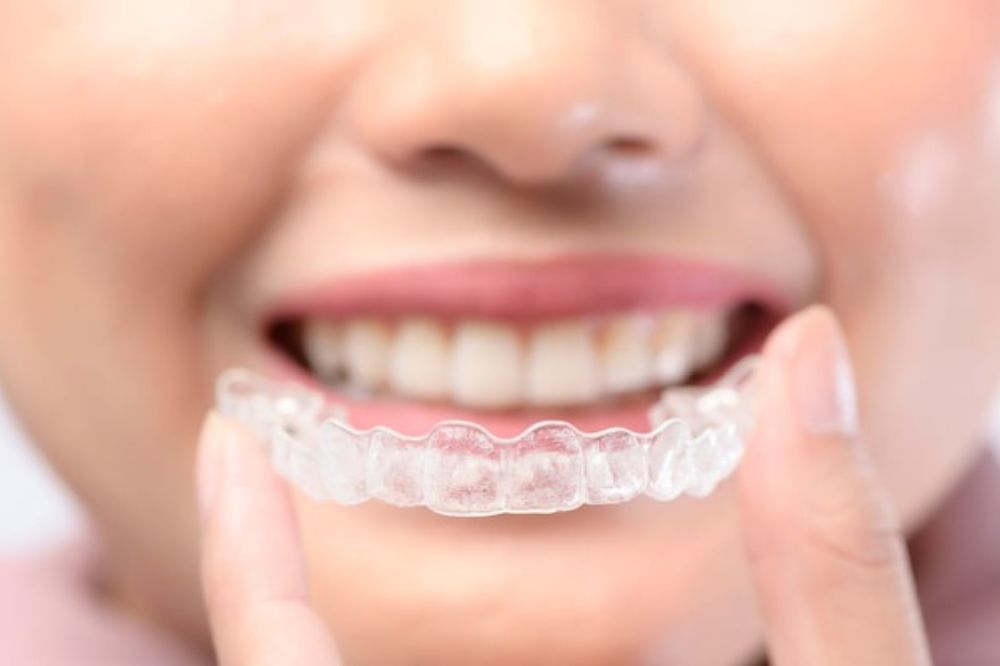
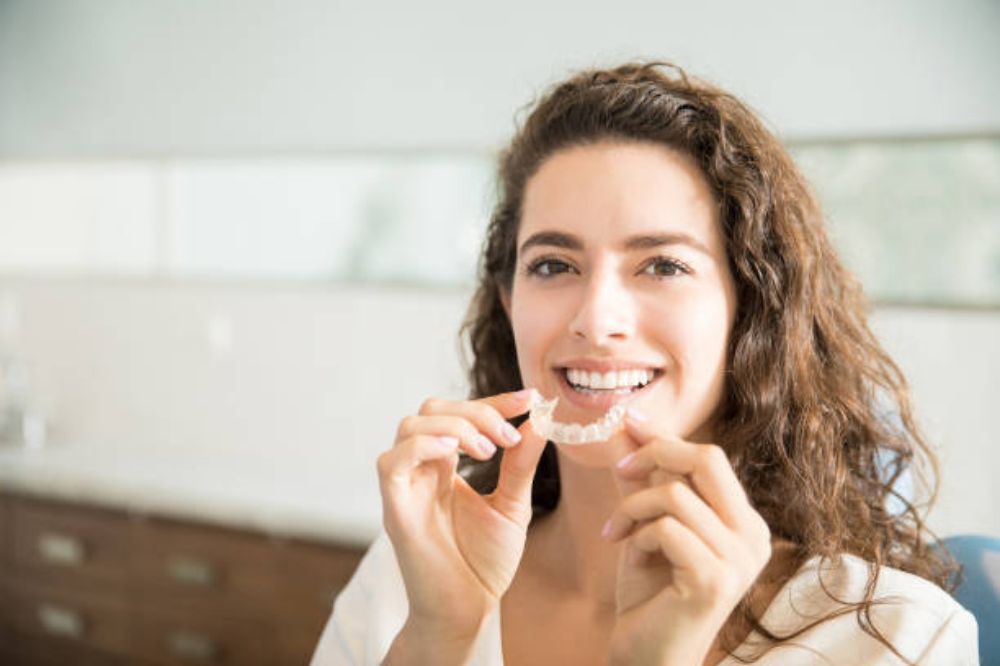
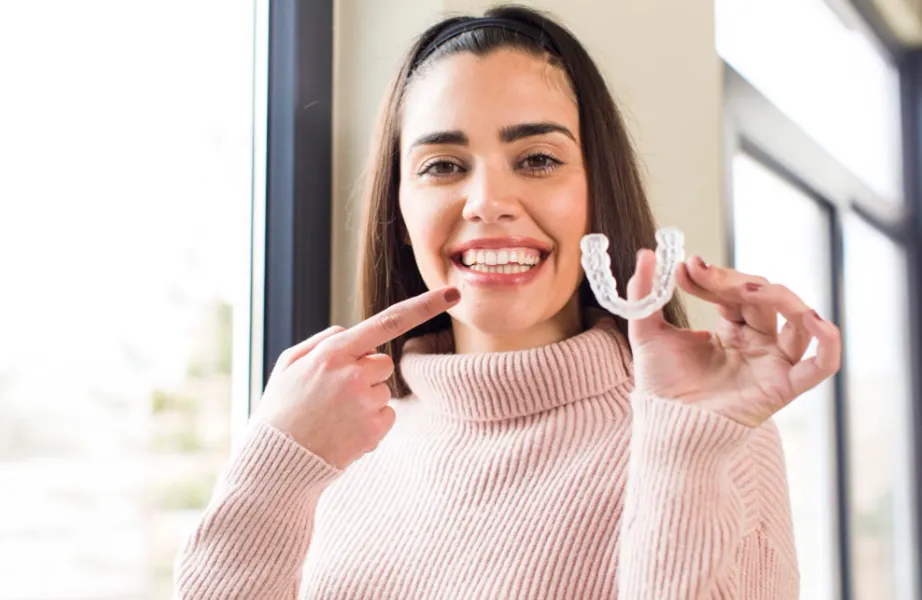
To understand which one you need, you must first understand their primary functions. A retainer is a passive appliance; its sole job is to hold your teeth exactly where they are. In contrast, Invisalign is an active treatment designed to move teeth into a new, corrected position.
When comparing long-term orthodontic retainers vs Invisalign for teeth alignment, the choice depends entirely on whether you are trying to preserve your current smile or correct a shift that has already occurred. If your teeth have moved significantly, a retainer will either not fit or will hold them in their new, crooked position.
How Do You Know If Your Teeth Are Shifting?
Teeth don’t move overnight; they shift in tiny increments that can be hard to spot in the mirror day to day. One of the most common signs that you might need to visit an orthodontist in Great Neck is when your current retainer becomes unusually tight or painful to wear.
This discomfort is a clear signal that your teeth have drifted from the “mold” the retainer was built for. Other signs include:
- New Gaps: Small spaces appearing between teeth where there were none before.
- Crowding: Front teeth starting to overlap or rotate slightly.
- Bite Changes: Feeling like your top and bottom teeth don’t “nest” together as comfortably as they used to.
- Difficulty Flossing: Finding it harder to slide floss between certain teeth due to new tightness.
Why Isn’t A Retainer Enough For A “Relapse”?
If you have experienced “orthodontic relapse”, the natural tendency for teeth to return to their original, crooked positions, a retainer is no longer the right tool. Trying to force a retainer over shifted teeth can actually damage your tooth roots or cause gum recession.
This is where Invisalign in Great Neck shines. Because Invisalign uses a series of custom-engineered trays to apply controlled pressure, it can gently guide those relapsed teeth back into their ideal spots. While a retainer is a “guard,” Invisalign is the “architect” that rebuilds the structure of your smile.
When Should You Choose Invisalign Over A New Retainer?
If your teeth have moved more than a millimeter or two, a new retainer will only stabilize the misalignment. Choosing Invisalign near you allows you to hit the “reset” button. Modern clear aligners are incredibly effective at correcting minor to moderate crowding and spacing issues that happen years after braces. Because the aligners are nearly invisible and removable, many adults find them to be the perfect “touch-up” treatment that doesn’t interfere with their professional or social lives.
What Is The First Step Toward A Corrected Smile?
The only way to be certain of your needs is through a professional evaluation. If you suspect your retainers in Great Neck are no longer doing their job, an expert can use 3D imaging to compare your current alignment with your post-braces results.
This objective data helps determine if a simple “adjustment” is possible or if a short course of aligners is necessary to prevent further shifting. Early intervention is key; the longer you wait to address a shift, the more complex (and expensive) the correction becomes. By staying proactive and choosing the right orthodontics near you, you can protect the investment you made in your smile. Whether you need a simple maintenance plan or a modern realignment, the goal is always to ensure your teeth remain a source of confidence and health for decades to come.
Retainer vs. Invisalign: Quick Comparison
| Feature | Dental Retainer | Invisalign Aligners |
| Primary Goal | Maintain current position | Active movement/correction |
| Fit | Rigid and fixed mold | Progressive series of trays |
| Complexity | Simple preservation | Corrects crowding & gaps |
| Treatment Time | Indefinite (Nightly) | 6 to 18 months |
Protect Your Smile for Life
Taking care of your smile is a journey that doesn’t end when the braces come off. Whether you are noticing the first signs of shifting or your old retainer has seen better days, the right professional guidance makes all the difference. Understanding the difference between holding your progress and making a necessary correction is the key to maintaining a beautiful, functional bite.
At Hu Lin Orthodontics & Invisalign Center, we specialize in helping our patients navigate these choices with ease and expertise. Our team uses the latest diagnostic technology to assess your alignment and provide a personalized plan that fits your lifestyle. We believe that everyone deserves a smile they can be proud of, and we are here to support you at every stage of your orthodontic health.
If you are concerned about your teeth shifting or need a fresh perspective on your retention plan, we invite you to reach out. Contact us today to schedule your consultation and let us help you keep your smile perfectly in place.
✨ Straighten your smile discreetly with Invisalign – click here for directions to Hu Lin Orthodontics.
Frequently Asked Questions
- Can I use my old retainer to move my teeth back?
No, you should never try to force an old retainer onto shifted teeth, as the pressure can be uneven and potentially damage the roots.
- How long does an Invisalign “touch-up” usually take?
For minor relapses where teeth have just started to shift, treatment can often be completed in as little as 3 to 6 months.
- Are clear retainers and Invisalign the same thing?
While they look similar, Invisalign trays are made of a thinner, active material designed for movement, while clear retainers (like Vivera) are thicker and designed for durability.
- Is Invisalign more expensive than getting a new retainer?
Yes, because Invisalign involves a clinical treatment plan and multiple sets of trays, whereas a retainer is a single, passive device.