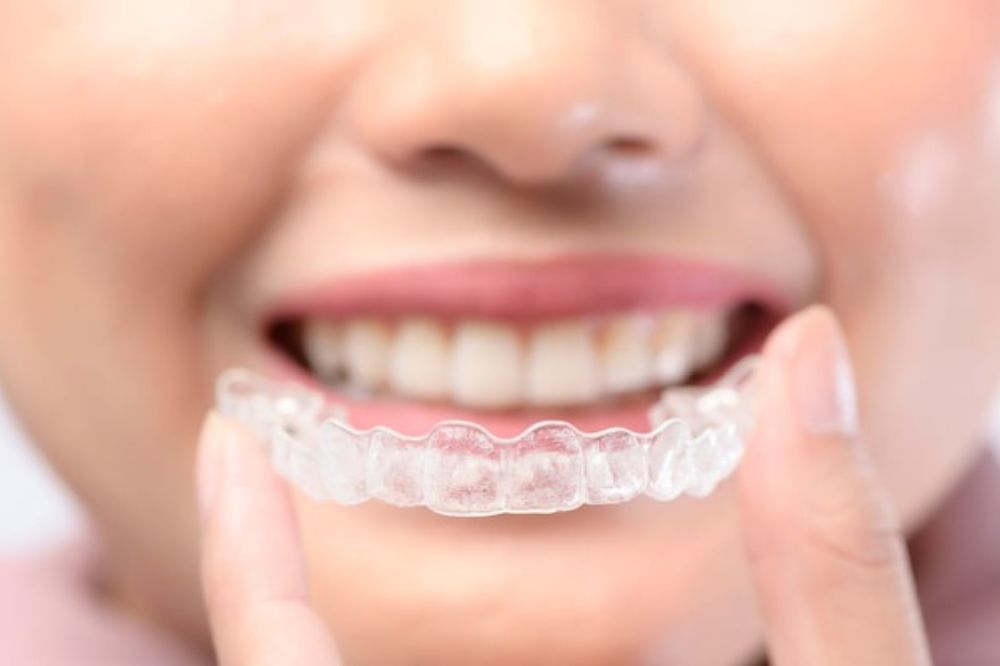
Many people visit an orthodontist in Flushing to improve crooked teeth or spacing problems with clear aligners instead of metal braces. Invisalign treatment can fit more easily into daily life, but good results also depend on how carefully the aligners are worn and maintained every day.
Looking for Invisalign in Flushing may help you straighten your teeth without metal braces, but small daily mistakes during treatment can affect how the aligners work over time. Habits like not wearing aligners long enough or skipping proper cleaning may affect how the trays fit and how the teeth move.
Not Wearing Aligners Long Enough
One of the most common Invisalign mistakes to avoid is not wearing the aligners for the recommended number of hours each day. Invisalign aligners are usually meant to stay in the mouth for most of the day, except during meals and brushing.
Wearing aligners for less time may lead to:
- Delayed tooth movement
- Poor aligner fit
- Longer treatment time
- Discomfort when switching trays
Keeping aligners in place as instructed may help teeth move more steadily during treatment. It may also help reduce fitting problems and unnecessary delays during treatment.
Forgetting To Put Aligners Back In
Some people remove aligners during meals or social events and forget to place them back in right away. Even small gaps in wear time may affect progress over time.
This may cause:
- Teeth shifting back slightly
- Tightness with aligners
- Slower treatment progress
- Problems with tray fitting
Creating a daily routine may help patients remember to wear aligners more consistently. Better daily habits may also help aligners fit more comfortably throughout treatment.
Not Cleaning Aligners Properly
Clean aligners are important during treatment. Poor cleaning habits may lead to odor buildup, stains, or bacteria on the trays.
Some simple, clear aligner care tips include:
- Rinse aligners with lukewarm water
- Gently brushing the aligners every day
- Store them safely when removed
- Avoid hot water
Good cleaning habits may help aligners stay clear and more comfortable during treatment. Proper cleaning may also help lower odor buildup and visible staining problems.
Eating Or Drinking With Aligners In
Many patients accidentally damage their aligners by eating while wearing them. Certain drinks may also stain the trays or affect their shape.
Eating or drinking with aligners in may lead to:
- Cracked aligners
- Stains
- Food buildup
- Poor fit
Removing aligners before meals and sugary drinks may help prevent these problems. It may also help keep aligners cleaner and easier to wear every day.
Skipping Follow-Up Visits
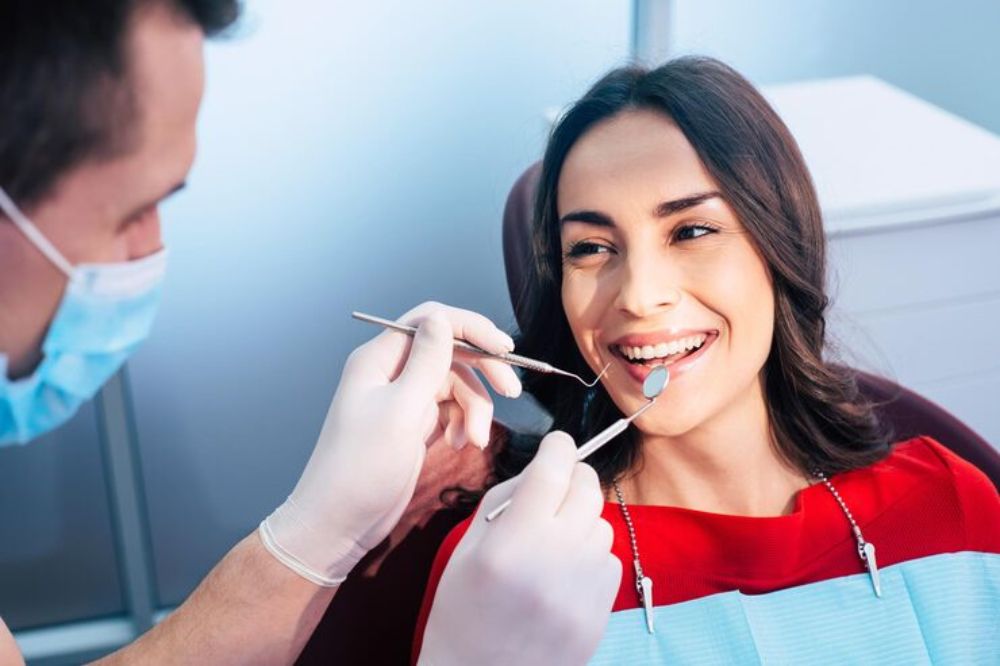
Regular visits help the orthodontist check how the teeth are moving during treatment. Missing appointments may make it harder to notice problems early.
During follow-up visits, the dental office may check:
- Tooth movement
- Aligner fit
- Oral health
- Treatment progress
These visits may also help answer questions or adjust the treatment plan if needed. Regular monitoring may help keep treatment moving in the expected direction over time.
Changing Trays Too Early Or Too Late
Each aligner tray is usually worn for a specific amount of time before switching to the next set. Changing trays too early or waiting too long may affect how the teeth move.
This may cause:
- Discomfort
- Poor tray fitting
- Slower progress
- Uneven tooth movement
Following the recommended schedule may help treatment stay on track. It may also help reduce discomfort when switching to a new aligner tray.
Losing Or Damaging Aligners
Aligners are removable, which means they may sometimes get misplaced or damaged. Leaving trays in napkins or pockets may increase the chance of losing them.
Damaged aligners may affect:
- Tooth movement
- Tray fitting
- Treatment timing
Using the aligner case regularly may help protect the trays when they are not being worn. Safe storage habits may also help prevent unnecessary treatment interruptions and replacement delays.
Not Asking Questions During Treatment
Some patients continue habits that may affect treatment because they are unsure about what to avoid. Many people also ask, “Why is my Invisalign not working properly?” In some cases, small daily habits may affect how the aligners fit and how the teeth move over time.
Visiting an orthodontist near you can help you better understand:
- Cleaning routines
- Wear time
- Tray changes
- Food restrictions
- Retainer care after treatment
Clear instructions may help patients feel more confident during Invisalign treatment. Better understanding may also help patients follow instructions more carefully during daily routines.
Keep Your Invisalign Treatment Moving In The Right Direction
Small habits can make a difference during Invisalign treatment. Wearing aligners properly, keeping them clean, and following instructions may help avoid delays and discomfort. At Hu Lin Orthodontics, patients can discuss aligner concerns, treatment progress, and daily care in a comfortable setting. Booking a visit may help you better understand your treatment and possible next steps.
Frequently Asked Questions
What mistakes should I avoid with Invisalign?
You should avoid wearing aligners for fewer hours, eating while wearing them, and missing follow-up visits during treatment. Instead, wear them for up to 22 hours each day.
Can dirty aligners affect treatment?
Yes. Poor cleaning habits may lead to stains, odor, and bacteria buildup on the trays.
Why do my aligners feel tight?
Aligners may feel tight when switching trays or after not wearing them for enough time.
What should I do if I lose an aligner?
Contact your dental office for guidance if an aligner is lost or damaged during treatment.